

PoliticalJune 30, 2026
US Pledges to Defend Baltic Nations Against Russian Aggression
US European Command general states commitment to defend Estonia, Latvia, and Lithuania in case of Russian attack.
Monitor the Situation1 min read
Financial news + insight
US European Command general states commitment to defend Estonia, Latvia, and Lithuania in case of Russian attack.
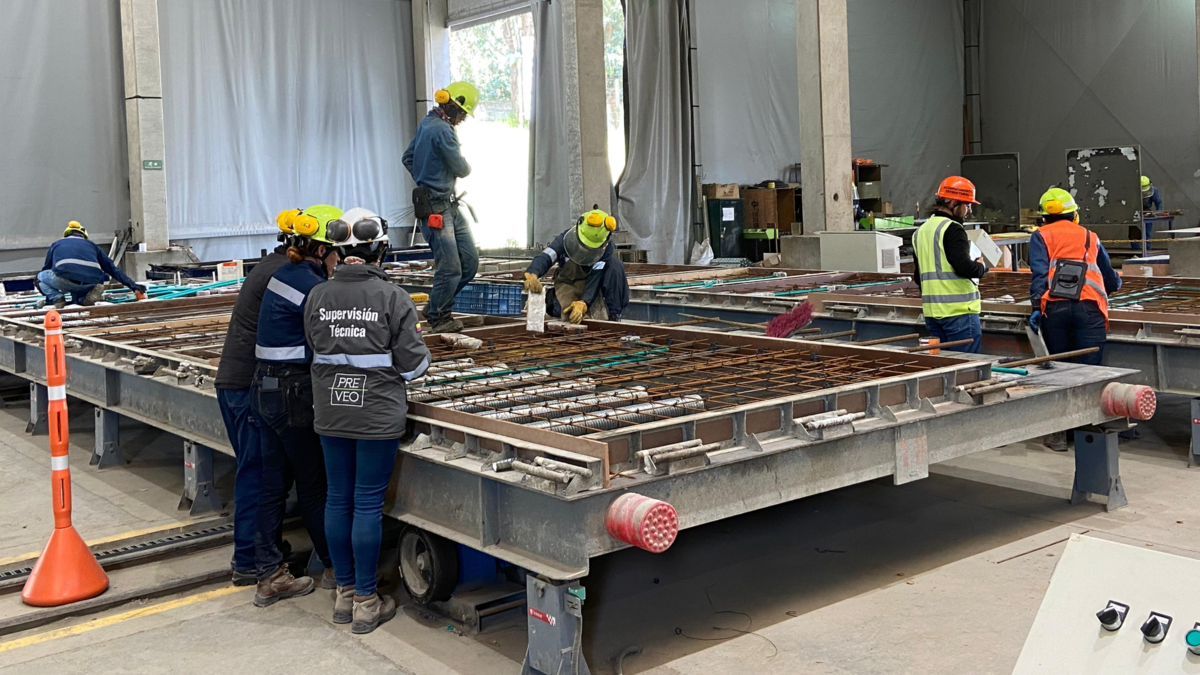
La población desocupada en Colombia supera los 2,14 millones de personas. El desempleo femenino continúa muy por encima del masculino.

Les députés ont approuvé, en troisième lecture, la proposition de loi créant un droit à l’aide à mourir pour des patients atteints d’une affection grave et incurable. Le vote final aura lieu le 15 juillet.
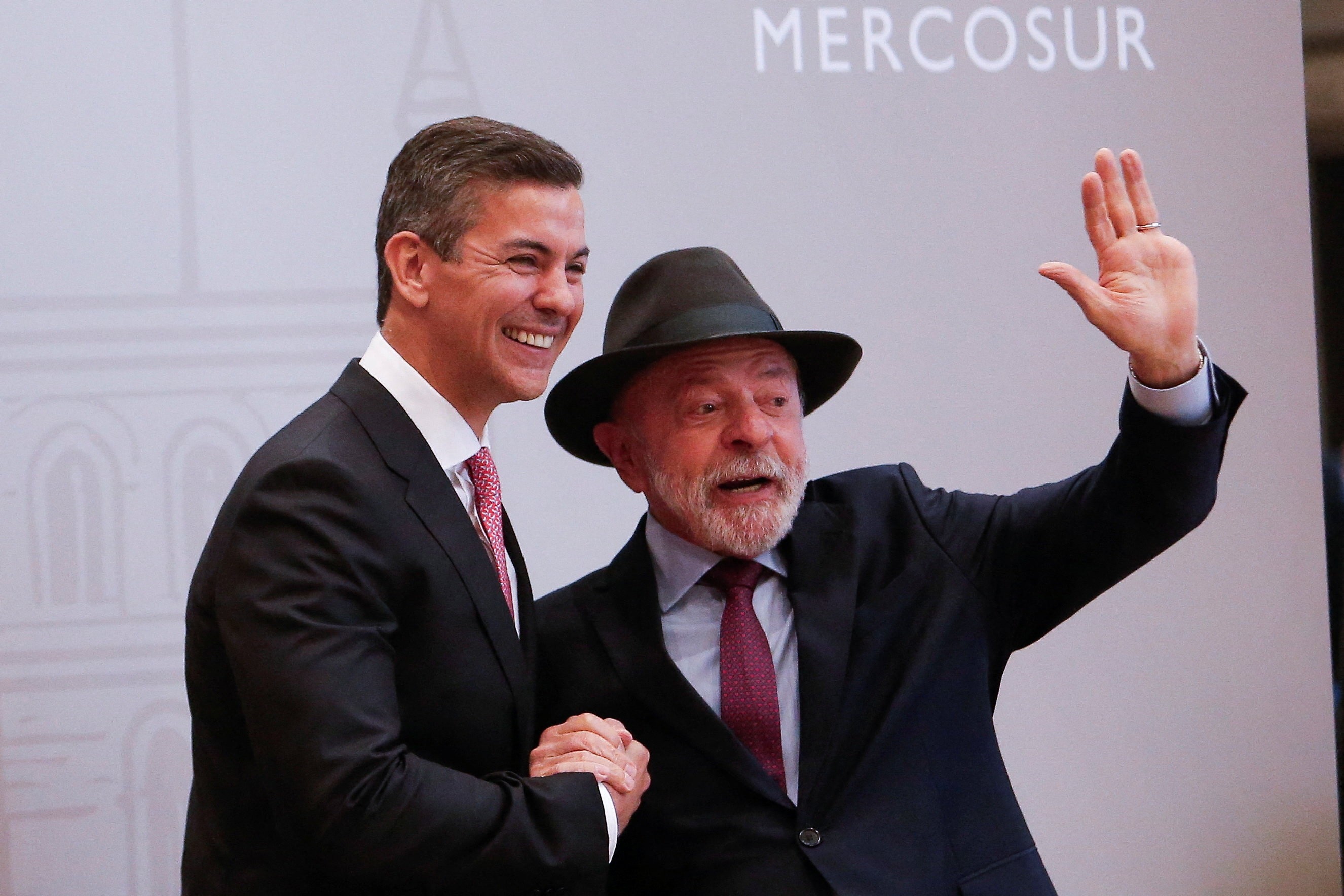
Agora no g1 O presidente Luiz Inácio Lula da Silva (PT) afirmou nesta terça-feira (30), durante a cúpula do Mercosul, em Assunção, que o bloco pretende iniciar em breve negociações comerciais com a China, enquanto amplia sua agenda de acordos com outros parceiros. 🗒️Tem alguma sugestão de reportagem? Mande para o g1 Segundo Lula, o Mercosul também deu início às negociações para uma parceria econômica com o Japão e segue avançando nas conversas para fechar acordos comerciais com Canadá, Índia e Vietnã. A abertura da 68ª cúpula também foi marcada por críticas do presidente do Paraguai, Santiago Peña, à forma como o acordo de livre comércio entre o Mercosul e a União Europeia está sendo implementado. "Para que negociamos com a Europa se o acesso a novos mercados não há de servir para desenvolver o que o que ainda não está desenvolvido?", afirmou Peña. A declaração faz referência à divisão, entre os países do Mercosul, das cotas de exportação com tarifas reduzidas para a venda de produtos ao mercado europeu. Santiago Peña e Lula em encontro do Mercosul Reuters *Com informações das agências de notícias France Presse e Reuters

Wakil Ketua Komisi I DPR RI Dave Laksono mengatakan draf Rancangan Undang-Undang (RUU) tentang Keamanan dan Ketahanan ...
Kiintiömetsästys pysäytti susikannan kasvun koko maassa. Susia on havaittu Kustavissa tänä keväänä vähemmän kuin viime vuonna. Kesällä havaintoja on taas tehty.
The Permian region's marketed natural gas production grew from 17.2 billion cubic feet per day (Bcf/d) in 2021 to 27.6 Bcf/d in 2025, a 60% increase, according to data from our latest Short Term Energy Outlook. Over the same period, crude oil production grew by 39%, going from 4.7 million barrels per day (b/d) to 6.6 million b/d. The higher growth in natural gas production is the result of increasing gas-oil ratios (GOR).
The third quarter is about to kick off after strong first half for stocks, with Deutsche Bank seeing strong performances ahead for a select group of names.
Farmers are growing the future through work: Lai
Nasa is set to launch a daring robotic rescue mission, a long-shot bid to prevent one of its ageing telescopes from vanishing into dust. If successful, the effort could pave the way for giving other satellites a second life. The operation is set to last several months, kicking off with the launch of a robot designed to rescue the Swift space telescope that’s currently falling towards Earth. Without intervention, Swift is expected to soon burn up in the atmosphere. The rescue spacecraft developed by the US startup Katalyst was slated to lift off on Tuesday at 10:23am GMT (3:23pm PKT) from a Pacific Ocean atoll aboard a small rocket named Pegasus. But Nasa postponed the launch, citing unfavourable weather conditions, and set the next launch attempt for “no earlier than Wednesday, July 1” at 09:43am GMT (2:43pm PKT). The rocket-propelled launch vehicle will not take off from a launch pad. Instead, it will be released from a jet. “Everything about this mission is so crazy,” said Nasa astrophysicist Regina Caputo with a laugh during an interview with AFP. After it reaches an orbit near that of the telescope, the robot must locate Swift across the vastness of space. The aim is then for the robot to manoeuvre around the telescope and latch on with three movable arms. It will then vie to tow Swift into a stable orbit over the course of at least a month, rescuing it from destruction by moving it about 300 kilometres higher. “This is a lot of firsts stacked on top of each other,” said Shawn Domagal-Goldman, the director of Nasa’s astrophysics division, during a recent call with reporters. “I’m just deeply thankful that we’re even giving this a go.” ‘Special’ telescope The idea of such a rescue might seem odd at first glance. The Neil Gehrels Swift Observatory telescope was launched in 2004 and was originally designed for a two-year mission. The device was intended to study gamma-ray bursts, which Caputo called “the most energetic things that happen in the universe”. She likened it to a supercharged version of a supernova, which is a dramatic, explosive death of a star. Gamma-ray bursts are extremely brief, she explained, so the telescope was placed at an altitude of approximately 600 kilometres in low Earth orbit so it could remain in constant communication with researchers. But with that pro came a con — at such an altitude, the device without its own propulsion would eventually drift closer to Earth and burn up in the atmosphere. Caputo said that phenomenon was expected and normal, because when the Sun is in its more active cyclical stages, it emits more particles and causes an expansion of Earth’s atmosphere. That creates drag, meaning satellites in low Earth orbit lose altitude. Yet when forecasts in early 2025 indicated the telescope was nearing the end of its life, Nasa began considering a possible rescue. “We decided, yeah, we want to go save this one this time, because of how special it is,” said Domagal-Goldman. ‘50-50’ Despite its age, the Swift telescope remains in high demand within the scientific community, not least for its rapid response capabilities. Should it burn up, it could not be immediately replaced. The mission attempting unprecedented manoeuvres has a projected cost of $30 million to save the device, which originally cost $250m. The rescue robot named LINK will have to overcome numerous challenges and unknowns. For example, engineers do not have a clear picture of what the back of the telescope actually looks like — even though that’s where the robot must latch on. With a laugh, Caputo projected the chances of success at “maybe 50-50”. Still, both Nasa and the company Katalyst believe the mission — which could run into the fall — might pave the way for new possibilities in spacecraft management and is worth a shot. Robert Lamontagne, a vice president at Katalyst, said during a call with journalists that it could represent the “start of a new model” to “refuel, reposition, repurpose, repair, and even upgrade satellites, even if they were never prepared for it”.
Germany back to square one, again, after third straight World Cup failure
An American citizen has been detained by police in the US on suspicion of conducting paid missions for Iranian intelligence, indicating potential espionage.