🏛️ Politics · June 7, 2026
Fragile Truce in the Iran War Tests Global Energy Markets as Hormuz Access Remains Contested
Three months after U.S. and Israeli forces launched Operation Epic Fury on February 28, 2026—killing Supreme Leader Ali Khamenei in the opening hours and triggering Iranian missile and drone retaliation across the region—a fragile ceasefire is under renewed strain.
Three months after U.S. and Israeli forces launched Operation Epic Fury on February 28, 2026—killing Supreme Leader Ali Khamenei in the opening hours and triggering Iranian missile and drone retaliation across the region—a fragile ceasefire is under renewed strain. Tit-for-tat incidents in the Gulf, including Iranian strikes toward U.S. bases and Kuwait, U.S. intercepts and retaliatory hits on Iranian radar and coastal sites, and Israeli actions in Lebanon, have tested the April 7–8 truce brokered with Pakistani and Chinese mediation.
As of early June 2026, indirect talks remain stalled over core issues: Iran’s nuclear program (enrichment limits, near-weapons-grade uranium stockpile, and dismantlement), sanctions relief sequencing, full reopening of the Strait of Hormuz, and de-escalation in Lebanon. The result is not all-out war, but persistent brinkmanship that keeps one of the world’s most critical energy chokepoints under effective restriction and sustains elevated volatility in global oil markets.
The Strait of Hormuz Shock: Largest Supply Disruption in Modern History
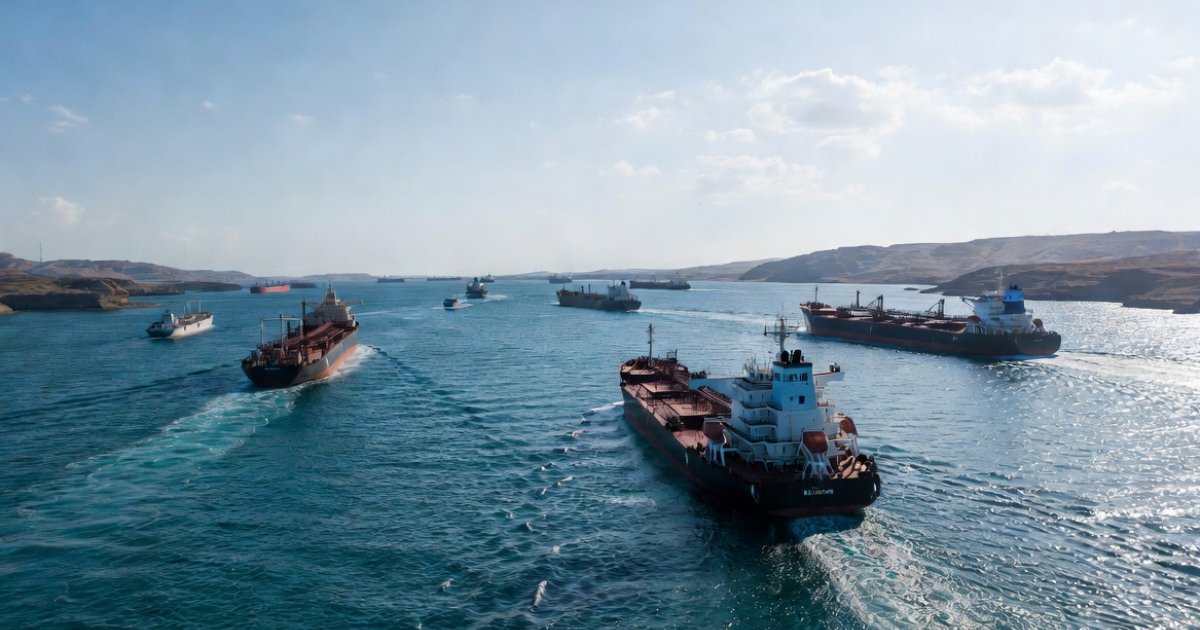
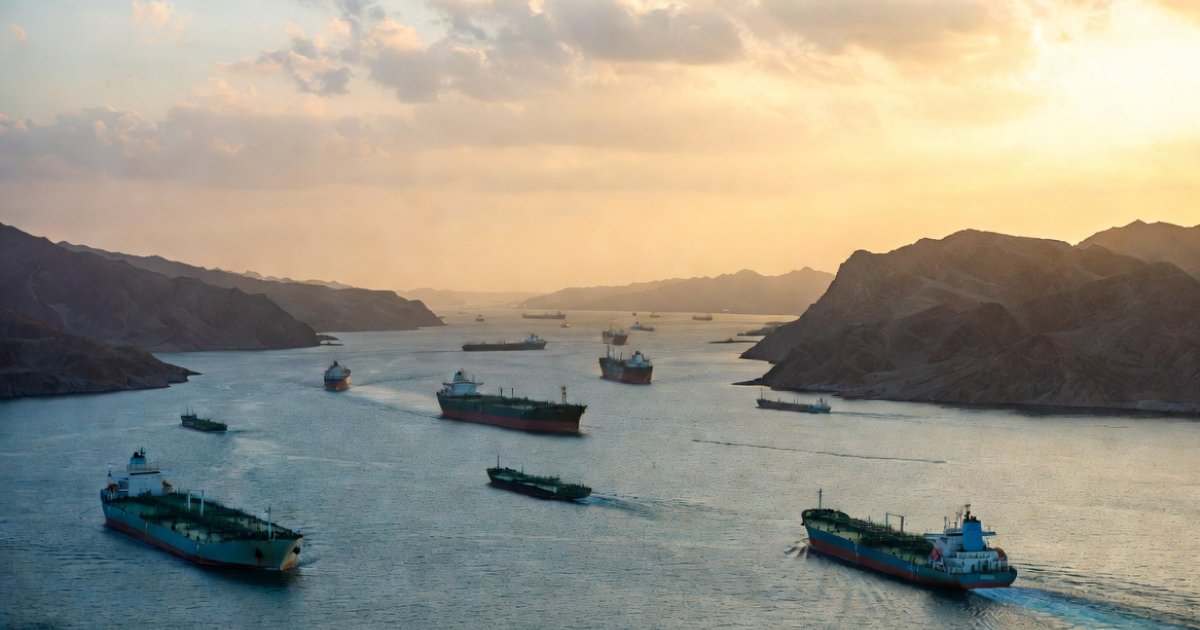
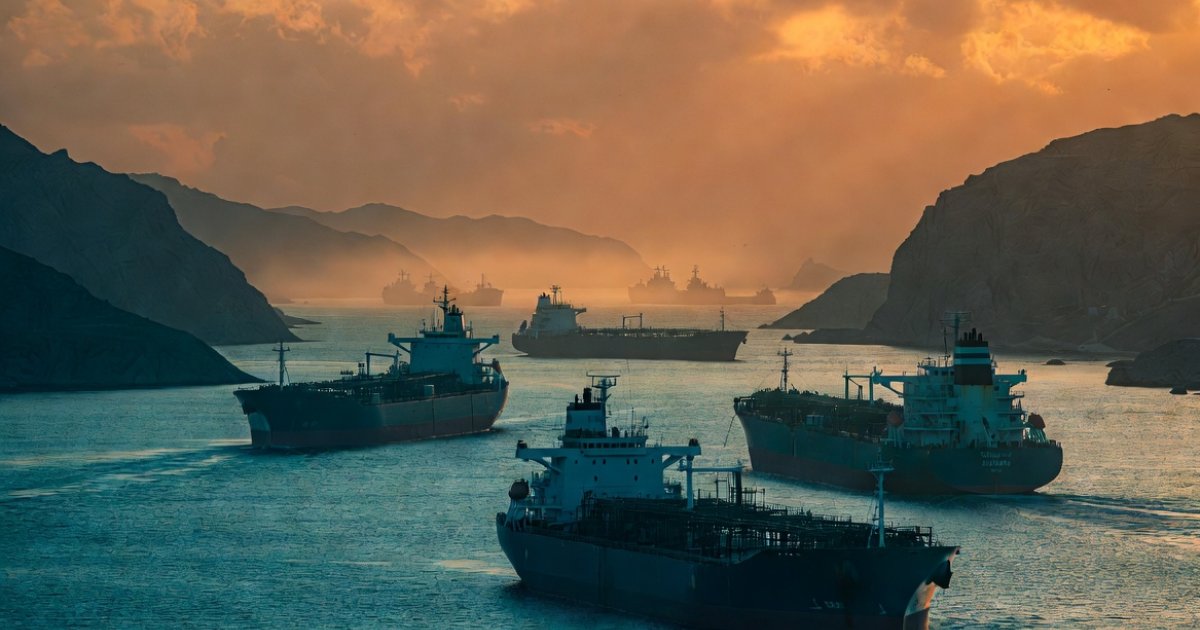
The Strait of Hormuz, through which roughly 20–21 million barrels per day (bpd) of oil and significant LNG volumes normally transit—representing about 20–27% of global seaborne oil trade—has seen commercial traffic drop by more than 88–90% since the conflict’s onset. At points, daily vessel transits fell from hundreds to fewer than seven on average. Hundreds of tankers were stranded in the Persian Gulf at various stages, with Iran imposing selective approvals, reported tolls exceeding $1 million per vessel in some cases, and the U.S. conducting interdictions and a period of port blockade elements.
Net supply shortfall estimates reached approximately 11 million bpd after partial offsets (including limited Iranian exports under negotiated passage and rerouting). This constitutes the largest oil supply disruption on record, according to assessments from the International Energy Agency and market analysts. Pre-war Brent crude hovered near $70 per barrel. Prices surged sharply, averaging $103/bbl in March and spiking above $100–114/bbl (with some reports of intraday or contract peaks near $126) amid the initial chaos and fears of prolonged closure.
By early June, Brent traded in the $92–99/bbl range, with sharp intraday moves: gains of over 4% on June 1 as talks appeared to falter, followed by pullbacks toward $93–95 on any diplomatic signals. The current price embeds a geopolitical risk premium of roughly $20–25/bbl relative to pre-conflict fundamentals, though physical market tightness has widened the gap between spot and paper prices significantly. Energy geologist Art Berman noted that the WTI spot premium to futures expanded from around 20% pre-war to nearly 50% recently, as markets price logistics, location, and access constraints rather than just molecules.
Asia, heavily reliant on Gulf flows, faced fuel shortages and rationing in March–April. UN Trade and Development estimates suggested potential oil import cost increases of up to $20 billion for affected poorer nations under sustained disruption. Iran captured a short-term windfall—roughly $25 million per day in extra revenue in March from higher prices—while Russia benefited by an estimated $150 million daily. Global inventories, particularly OECD stocks, have drawn down noticeably, raising the risk of non-linear price spikes if the standoff persists into summer demand season. Some analysts warned of potential $130+/bbl scenarios under prolonged closure and continued draws.
Broader Market and Economic Transmission
Higher energy costs have rippled outward. Airlines face elevated jet fuel expenses; Moody’s recently downgraded the global airline sector outlook to negative, citing Iran war-related fuel volatility. Shipping insurance and rerouting costs (avoiding Hormuz or Red Sea risks) have risen. Equity markets experienced initial shocks—Dow Jones drops exceeding 400 points and S&P 500 declines around 0.7% in early March—with ongoing volatility tied to news flow. Gold has served as a classic safe-haven bid.
Inflation pass-through remains a key concern for central banks. Energy is a volatile but direct component of CPI; sustained elevation risks second-round effects on wages and core measures, complicating rate-cut paths. Goldman Sachs and other houses lowered 2026 U.S. growth forecasts and raised inflation projections in response to the oil shock. Emerging markets face particular pressure via stronger dollar, higher import bills, and capital flow sensitivity. U.S. Strategic Petroleum Reserve levels have drawn down to multi-decade lows (nearing levels last seen in the early 1980s per some reports), thinning the buffer for future spikes.
Not all effects are negative for every player. U.S. shale and LNG exporters have seen revenue tailwinds, while defense and certain energy names benefited from the risk environment.
Diplomatic and Geopolitical Undercurrents
The Iranian regime emerged weakened: Khamenei’s death led to succession by Mojtaba Khamenei amid internal power struggles and a more paranoid security posture. Tehran retains leverage through its position astride Hormuz and proxy networks, using partial restrictions and threats as bargaining chips. The Trump administration has signaled willingness for a phased deal—prioritizing Hormuz reopening and non-nuclear assurances first, followed by deeper nuclear and sanctions talks—but has rejected proposals seen as insufficient and warned it would not resume full-scale war unless U.S. troops are killed. Israel’s ongoing Lebanon operations have complicated Iranian calculations and mediation efforts.
Prediction markets (e.g., Polymarket) have shown low odds of a comprehensive nuclear framework by June 30. Analysts such as Robin Brooks (Brookings, ex-Goldman) have framed the base case as messy but extended negotiations, with current ~$95 prices largely reflecting that outcome; a full embargo scenario could push prices significantly higher (toward $125 in some models).
Outlook and Scenarios
Markets are currently pricing prolonged uncertainty and low-level friction rather than Armageddon or immediate resolution. Three plausible paths stand out:
-
Near-term diplomatic breakthrough (Hormuz normalization + framework agreement): Rapid unwinding of the risk premium, with Brent potentially retracing $15–25/bbl quickly as physical flows normalize and inventories rebuild. Physical premiums would compress.
-
Protracted stalemate with sporadic incidents: Prices grind or spike episodically on flare-ups. Inventory tightness builds through summer, supporting a higher floor ($100–110 range) and raising tail risks of disorderly demand destruction or further supply responses.
-
Re-escalation (major Hormuz closure enforcement or broader regional spillover): Sharp spike toward or beyond prior highs, with severe implications for global growth, inflation, and financial conditions—particularly if SPR buffers remain depleted.
For investors and corporates, the environment favors selective energy exposure (physical tightness beneficiaries), inflation hedges (gold, certain commodities, TIPS), and caution on high-beta emerging market and cyclical assets. Supply-chain resilience and alternative routing investments gain strategic priority. Volatility is likely to remain elevated until clearer signals emerge from Washington–Tehran–Jerusalem channels.
The 2026 Iran conflict has delivered a textbook geopolitical supply shock: concentrated, sudden, and transmitted primarily through energy prices and chokepoint dynamics. Three months in, the absence of full war is welcome, but the persistence of brinkmanship over Hormuz and the nuclear file means the global economy continues to pay a meaningful risk premium—one that could rise or fall sharply depending on diplomacy in the coming weeks.
References
Britannica. (2026, June 7). 2026 Iran war. https://www.britannica.com/event/2026-Iran-war
Council on Foreign Relations. (2026, May 21). Iran’s war with Israel and the United States. Global Conflict Tracker. https://www.cfr.org/global-conflict-tracker/conflict/confrontation-between-united-states-and-iran
Reuters. (2026, June 3). Israel, Lebanon agree to implement ceasefire, boosting... [and related Hormuz/oil coverage]. https://www.reuters.com/world/middle-east/hostilities-flare-iran-war-oil-jumps-with-talks-stalemate-2026-06-03/
Bloomberg. (2026, March 29). The Strait of Hormuz oil shock is now heading west [graphics and analysis on supply disruption]. https://www.bloomberg.com/graphics/2026-iran-war-hormuz-closure-oil-shock/
UNCTAD. (2026, March 10). Strait of Hormuz disruptions: Implications for global trade and development. https://unctad.org/publication/strait-hormuz-disruptions-implications-global-trade-and-development
Wikipedia. (2026). 2026 Iran war [economic impacts and timeline sections; cross-referenced with primary reporting]. https://en.wikipedia.org/wiki/2026_Iran_war
Brooks, R. [@robin_j_brooks]. (2026, June 7). Commentary on Iran negotiations and oil price base case [X post]. https://x.com/robin_j_brooks (referencing substack analysis)
Berman, A. [@aeberman12]. (2026, June 7). Physical vs. paper oil premium widening due to Hormuz/logistics [X post]. https://x.com/aeberman12
Additional supporting data drawn from Al Jazeera live updates (June 2026), CNN, WSJ, NYT, IEA-related reporting, and market analytics on price action and inventory trends as of early June 2026. All figures approximate and synthesized from contemporaneous reporting; exact daily prices and traffic data fluctuate with real-time conditions.