


Policy BriefJune 26, 2026
Medicaid reforms in the One Big Beautiful Bill Act and mental health care
Richard Frank reflects on the impacts of Medicaid reforms in the One Big Beautiful Bill Act, specifically on mental health care.
Brookings1 min read
Institutional research & analysis
RESEARCH
Richard Frank reflects on the impacts of Medicaid reforms in the One Big Beautiful Bill Act, specifically on mental health care.

Chipo Dendere unpacks the implications of the potential extension of Zimbabwean President Emmerson Mnangagwa's term limits.

As the United States approaches its 250th anniversary, new demographic projections show how different levels of immigration could shape the nation’s population, workforce, and future growth.

Absent institutionalized defense industrial cooperation with the EU, the gap between Ankara’s strategic autonomy rhetoric and its defense industrial capabilities may widen.

Brussels still lacks a coherent political or institutional framework for managing Turkey’s growing role in Europe’s defense-industrial base.

After the United States and Iran signed a memorandum of understanding to end the war, Aslı Aydıntaşbaş spoke to Kari Heerman and Bruce Jones about its geopolitical implications, building on their recent articles in the series "Blowback: How the Iran war may change the world."

Lauren Tokos examines the possibility of orbital data centers and regulatory challenges these facilities in space presents.

This data interactive shows SNAP payment error rates for the U.S. and for each state from fiscal year 2003 through fiscal year 2025.
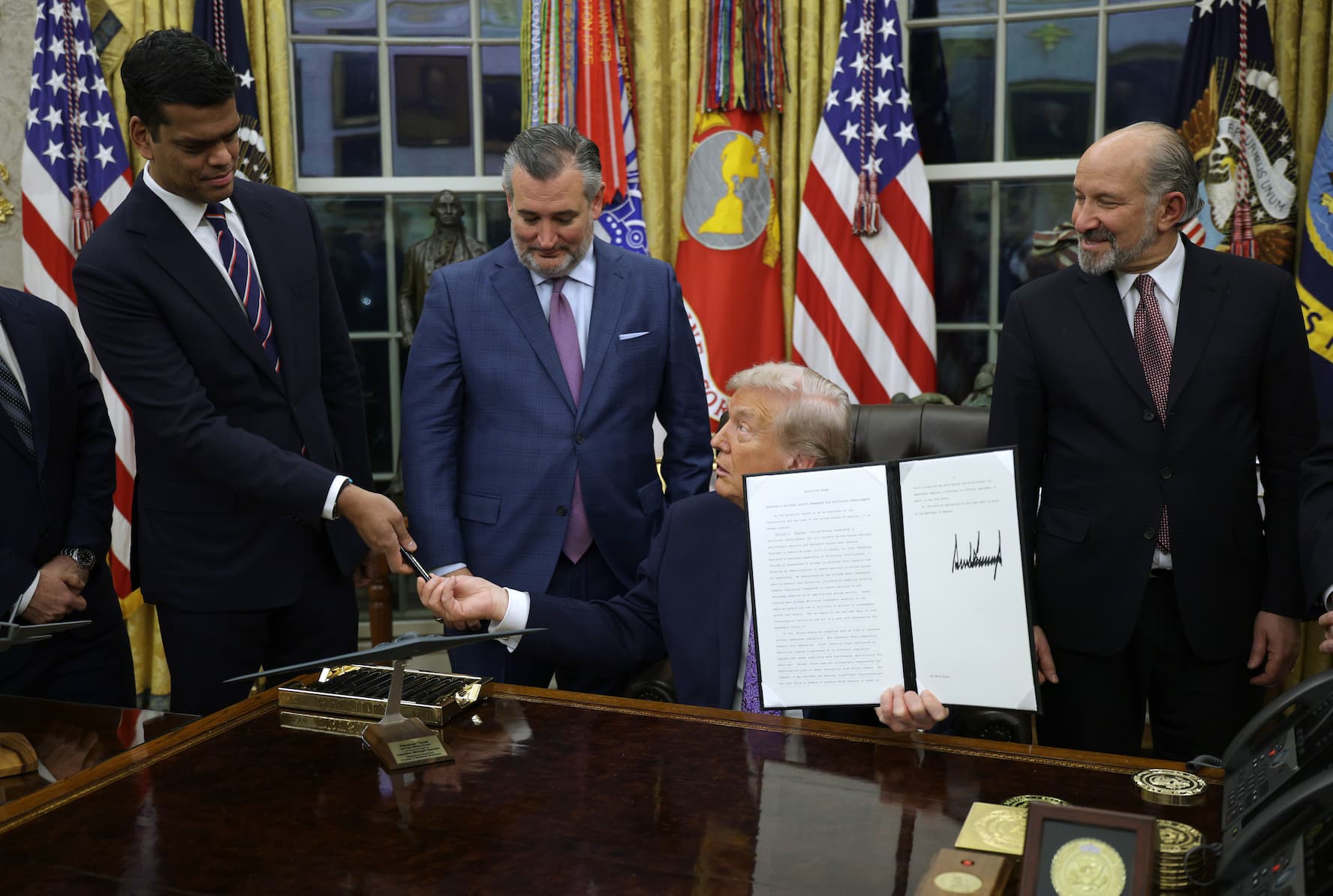
James Denford, Gregory Dawson, and Kevin C. Desouza analyze the governance models for federal AI under the Biden and Trump administrations.

Klein, Lazarus, and Singh highlight five takeaways from Brookings' recent events on prediction markets including Senators Merkley and Schiff
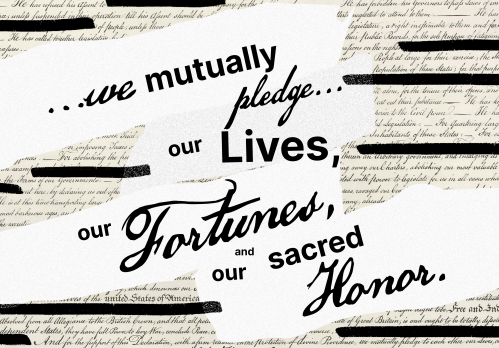
On this episode of Democracy in Question, host Katie Dunn Tenpas speaks with Lindsay Chervinsky, executive director of the George Washington Presidential Library at Mount Vernon, about the Declaration’s most consequential closing phrase. From the founders’ dual loyalties to the erosion of "sacred honor,” they illuminate what mutually pledging their “Lives, Fortunes, and sacred Honor” demanded in 1776 and what it asks of Americans now.
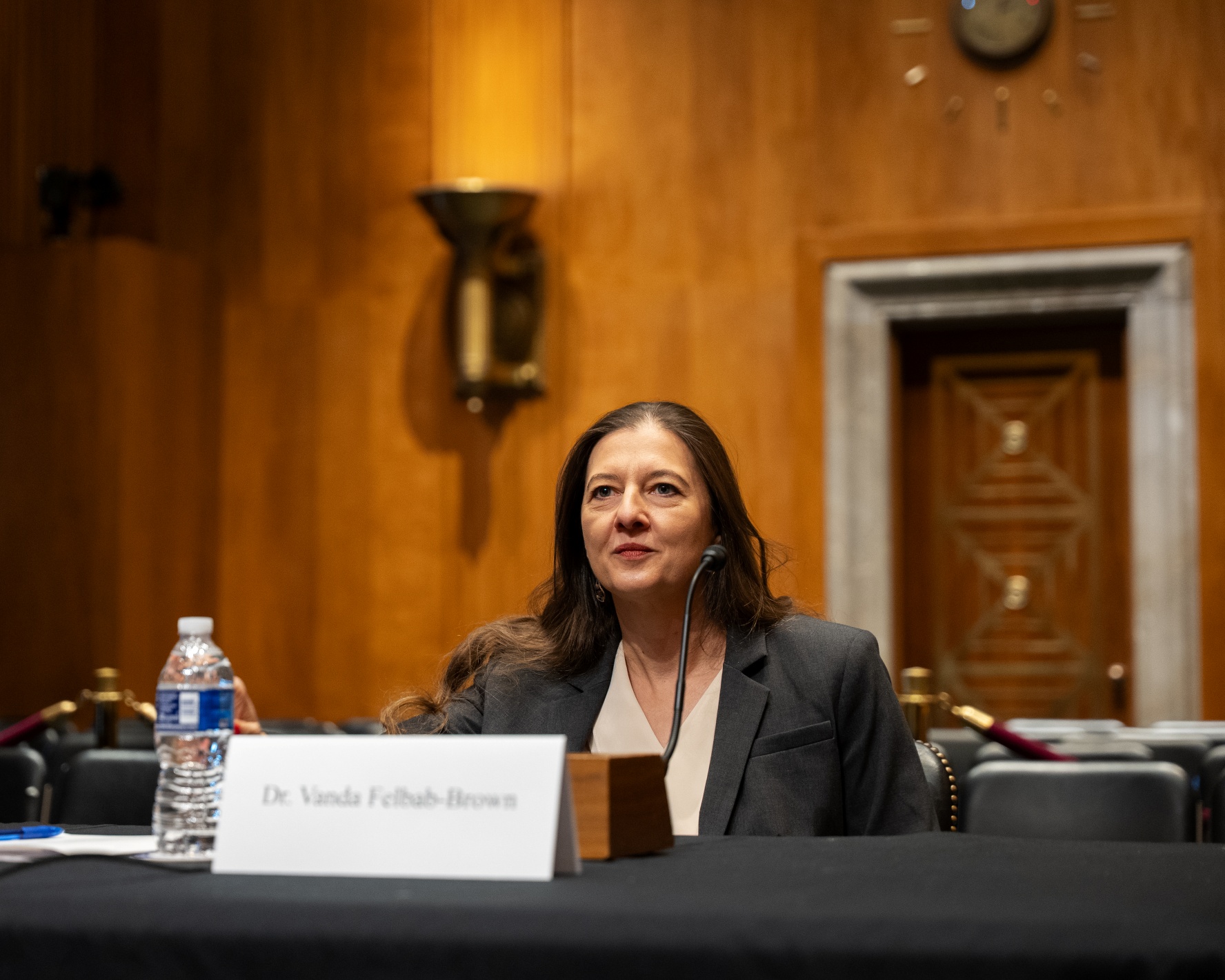
Vanda Felbab-Brown testifies before the U.S. Senate Caucus on International Narcotics Control on the global reach of Mexican drug cartels.